Upholstery cleaning Holland Park Estate W11 homes: a practical guide for cleaner, longer-lasting furniture
If you live in Holland Park Estate, you already know the place has its own rhythm: elegant homes, busy days, occasional entertaining, and the quiet pressure of keeping everything looking sharp. Upholstery cleaning Holland Park Estate W11 homes is not just about making a sofa look better for a week or two. It is about protecting fabrics, reducing built-up dirt, keeping a home feeling fresher, and avoiding the slow wear that sneaks in when seats are used every day. Truth be told, most furniture does not become "dirty" overnight; it just gradually loses life. This guide walks you through what professional upholstery cleaning involves, how it works, when it makes sense, and how to get better results without guesswork.
You will also find practical advice on choosing a method, avoiding common mistakes, and knowing what to expect from a reputable local service. If you want to explore related services, the services overview is a good starting point, and the broader upholstery cleaning in Holland Park page gives useful context too.
Table of Contents
- Why Upholstery cleaning Holland Park Estate W11 homes Matters
- How Upholstery cleaning Holland Park Estate W11 homes Works
- Key Benefits and Practical Advantages
- Who This Is For and When It Makes Sense
- Step-by-Step Guidance
- Expert Tips for Better Results
- Common Mistakes to Avoid
- Tools, Resources and Recommendations
- Law, Compliance, Standards, or Best Practice
- Options, Methods, or Comparison Table
- Case Study or Real-World Example
- Practical Checklist
- Conclusion
- Frequently Asked Questions
Why Upholstery cleaning Holland Park Estate W11 homes Matters
Furniture in a well-kept W11 home works hard. Sofas, armchairs, dining chairs, ottomans, headboards, and window seats all collect everyday life: dust, body oils, food crumbs, pet dander, drink marks, and airborne particles that settle into fibres. Even if a piece looks clean from across the room, the fabric can still hold onto residue that affects appearance and smell.
In an area like Holland Park Estate, presentation matters for a lot of practical reasons. Maybe you are hosting visitors. Maybe you are preparing for photos before a sale. Maybe you are simply tired of that dull patch on the arm where everyone sits. Whatever the reason, regular upholstery care helps furniture last longer and keeps the whole room feeling more refined. It also supports a healthier indoor environment, especially in homes where allergies are a concern.
There is another side to it, too. Upholstery is expensive to replace. A decent sofa or dining chair set is an investment, and cleaning can often extend its usable life in a way that feels surprisingly noticeable. You sit down and think, yes, that feels better. The fabric looks brighter. The room smells fresher. Small thing, big difference.
If you are already thinking about improving the wider condition of a property, it can help to read around the local market too. For example, tips for selling in Holland Park and local investing essentials both show why a cared-for interior can influence perception. And yes, people do notice furniture cleanliness. More than they admit, probably.
How Upholstery cleaning Holland Park Estate W11 homes Works
Professional upholstery cleaning is a process, not just a quick spray and wipe. The right method depends on the fabric, the construction of the furniture, and the type of soiling. A reputable cleaner will usually begin with identification. That means checking the fabric type, looking for care labels where available, and testing any cleaning solution in a discreet spot.
Most services then follow a sequence along these lines:
- Inspection - assess material, stains, wear points, and previous cleaning attempts.
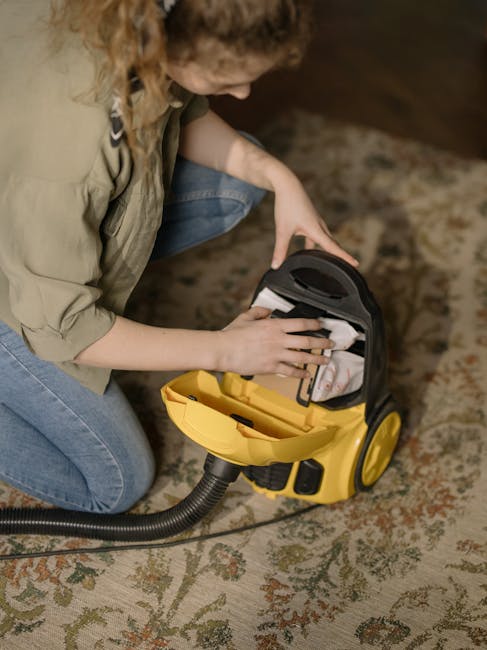
- Dry soil removal - vacuuming and agitation to lift loose dust and grit.
- Pre-treatment - applying suitable products to stains and high-traffic areas.
- Main cleaning - often hot water extraction for some fabrics, or low-moisture techniques for sensitive materials.
- Detail work - treating armrests, seams, buttons, and cushion edges.
- Rinsing or residue reduction - to avoid sticky build-up that can attract more dirt.
- Drying guidance - advice on ventilation and normal drying time.
One thing that is easy to miss: not every upholstery piece should be cleaned the same way. A velvet chair, a synthetic family sofa, and a linen occasional seat each behave differently. Treat them all identically and you can end up with water marks, texture distortion, or a finish that feels a bit off. Not ideal.
In a typical domestic setting, the aim is to remove visible marks while also addressing the hidden layer of grime that causes dullness. That is why many customers prefer to combine upholstery work with carpet cleaning in Holland Park or domestic cleaning in Holland Park when they want a broader reset.
Key Benefits and Practical Advantages
The benefits of cleaning upholstery go beyond making the living room look tidy for a night. The real value is cumulative.
- Better appearance: fabrics look brighter, cleaner, and more even in tone.
- Improved freshness: trapped odours from pets, food, or everyday use are reduced.
- Longer fabric life: embedded grit is less likely to wear down fibres over time.
- More comfortable use: seating feels cleaner and more pleasant to sit on.
- Healthier indoor feel: dust and allergens can be reduced, which many households appreciate.
- Better presentation: useful for guests, buyers, landlords, or tenants moving in or out.
There is also a practical financial angle. Replacing upholstery is rarely cheap, while cleaning is usually a far more modest intervention. If a piece is structurally sound, cleaning is often the sensible first step before considering repair or replacement.
Expert summary: the best upholstery cleaning is the kind that improves appearance without over-wetting, over-treating, or changing the feel of the fabric. That balance matters more than dramatic before-and-after claims.
And for homes that see regular use, the difference can be quietly dramatic. One sofa can go from "we should probably deal with that soon" to "why did we wait so long?" in a single visit. Slightly unfair to the sofa, but there we are.
Who This Is For and When It Makes Sense
Upholstery cleaning is useful for a wide range of households, but it is especially sensible in a few common situations.
- Families with children: crumbs, spills, and sticky handprints happen. Constantly.
- Pet owners: fur, odours, and the occasional accident can settle into fibres.
- Homeowners preparing to sell: clean soft furnishings help rooms feel brighter and better cared for. See also our local selling guide.
- Landlords and tenants: a cleaner finish can support a smoother handover, especially alongside end of tenancy cleaning.
- Busy professionals: if regular deep cleaning keeps slipping down the list, an expert visit can reset things quickly.
- People sensitive to dust: cleaner upholstery can help improve the feel of the room, though it is not a medical solution.
When does it make sense to book? Usually when you can see a change in colour, notice odour retention, spot recurring marks, or simply feel that the room is looking tired. If the furniture is still in good shape structurally, cleaning is often the smartest middle ground.
A useful rule of thumb: if you would hesitate to invite people over because of the sofa, it is probably time. Simple as that.
Step-by-Step Guidance
If you are new to upholstery care, the process can feel a bit mysterious. It does not need to be. Here is a straightforward way to think about it.
1. Identify the fabric
Start with the care label, if it is available. Some fabrics tolerate wet cleaning well; others need low-moisture or solvent-based treatment. If you are unsure, do not guess. That is where avoidable damage begins.
2. Check the condition of the furniture
Look for loose stitching, broken springs, faded patches, colour transfer risks, or areas where the fabric is already weakened. Cleaning can improve appearance, but it will not repair structural problems.
3. Remove loose dirt first
Vacuum thoroughly, including seams and under cushions. This matters more than people think. If grit is left behind, it can smear during wet cleaning and create more work.
4. Treat stains carefully
Different stains behave differently. Grease, wine, coffee, ink, and body oils all need a slightly different approach. The wrong product can set a mark permanently, which is annoying in a way only upholstery stains can be.
5. Choose the right cleaning method
Hot water extraction, low-moisture cleaning, foam application, and dry methods all have their place. The best choice depends on the fabric and the expected drying time.
6. Allow proper drying
Drying is not a throwaway stage. Good airflow helps prevent lingering dampness, odour, or a stiff finish. Open windows where sensible, use ventilation, and avoid piling cushions back too soon.
7. Protect the fabric after cleaning
Ask about fabric protection if it suits your furniture and lifestyle. It is not magic, but it can make future spill management much easier.
Expert Tips for Better Results
Small choices make a surprisingly big difference with upholstery. Here are the things that tend to separate a decent result from a genuinely good one.
- Act quickly on spills: blot, do not rub. Rubbing drives liquid deeper into the fibres.
- Use the right cloth: a clean white microfibre cloth is often safer than a colourful towel that might transfer dye.
- Test in a hidden spot: especially on older fabrics or anything with mixed fibres.
- Work with the fabric, not against it: some weaves hate aggressive brushing.
- Rotate cushions: this helps wear stay more even. A tiny habit, but worth it.
- Keep food and drinks sensible around lighter fabrics: everyone says they will, and then the red wine appears. It happens.
Another good tip: if you are arranging a full-home refresh, coordinate upholstery with carpet or house cleaning so the space looks consistent. A pristine sofa in a dusty room can feel a bit unfinished, while a balanced clean makes the whole home read as well cared for. That is especially true in larger homes where the eye catches details fast.
For homeowners comparing service standards, it can also help to read about the company itself. The about us page, the insurance and safety information, and customer reviews are all sensible places to check before booking anything.
Common Mistakes to Avoid
Most upholstery problems after cleaning do not come from bad intentions. They come from rushing, over-wetting, or using the wrong product. A few common mistakes come up again and again.
- Using too much water: this can leave rings, slow drying, or even smell problems.
- Scrubbing hard: it can damage the pile, spread stains, and flatten texture.
- Applying random household cleaners: many sprays are not designed for upholstery and may bleach or stain fabric.
- Skipping the vacuum stage: dry soil should come out before wet cleaning starts.
- Ignoring the care label: if a label says "dry clean only" or similar, take that seriously.
- Using furniture too soon: sitting on damp cushions can compress fibres and slow drying.
One more thing: if a stain has already been "attacked" with several products, tell the cleaner exactly what was used. That information helps avoid chemical reactions and makes a better result far more likely. No judgement. It just helps.
Tools, Resources and Recommendations
Whether you are doing light maintenance yourself or booking a professional service, a few tools and resources make life easier.
| Option | Best for | Notes |
|---|---|---|
| Vacuum with upholstery attachment | Weekly maintenance | Great for crumbs, dust, and pet hair before grime settles in. |
| Microfibre cloths | Spot blotting | Useful for spills when used gently and clean. |
| Soft brush | Loose surface debris | Helps on sturdy fabrics, but use lightly. |
| Professional cleaning machine | Deep cleaning | Best used with fabric knowledge and proper moisture control. |
| Fabric protection treatment | Spill-prone homes | Can buy time after accidents, though it is not a shield against everything. |
For local service planning, the pricing and quotes page is useful if you want to understand how estimates are usually handled, while the latest promotions may help if you are comparing booking options. If your home includes a study or work area, you might also find the office cleaning service relevant for mixed-use properties or home offices that need a sharper finish.
For readers who like to understand the local context more broadly, the article is Holland Park a good neighbourhood? and the lighter piece on the beauty of Holland Park both add a helpful sense of place.
Law, Compliance, Standards, or Best Practice
For domestic upholstery cleaning, there is not usually a heavy legal framework that homeowners need to master, but there are sensible best-practice considerations. In the UK, responsible cleaning providers should work safely, use products appropriately, and avoid creating risks through excess moisture, slip hazards, or poor handling of chemicals. If a property is rented or managed, it is also wise to keep records of any cleaning agreed between landlord and tenant, especially at check-in and check-out.
Good practice also means being transparent about limitations. For instance, a cleaner should not promise to remove every stain or restore every worn patch. Some marks are permanent. Some fabrics have aged in a way no cleaning can fully reverse. Honest advice matters more than glossy promises.
It is also fair to expect clear information around access, payments, and service terms. If you want to review policies before booking, pages such as payment and security, terms and conditions, privacy policy, and the health and safety policy are all sensible to check. That sort of transparency builds trust. Simple, but important.
For accessibility or complaints concerns, it is reassuring when a business also makes those pages easy to find. Good service is not just the cleaning. It is the whole experience around it.
Options, Methods, or Comparison Table
Different upholstery fabrics and different homes benefit from different approaches. Here is a straightforward comparison to help you think it through.
| Method | Best for | Advantages | Watch-outs |
|---|---|---|---|
| Hot water extraction | Durable fabrics with deeper soiling | Strong cleaning power; good for embedded dirt | Not suitable for every fabric; moisture control matters |
| Low-moisture cleaning | Sensitive fabrics or quicker turnaround | Faster drying; reduced water use | May need more careful stain management |
| Dry cleaning methods | Delicate materials and certain specialist fabrics | Very low water exposure | Can be less suitable for heavy soil build-up |
| Spot treatment only | Minor marks on otherwise clean furniture | Quick and targeted | Won't refresh the whole piece |
If you are deciding between a full clean and a lighter refresh, think about the age of the furniture, the fabric type, and how the room is used. A family sofa that sees daily use is a very different story from a spare-room armchair that only gets sat on when people visit. Obvious, yes, but easy to overlook.
Case Study or Real-World Example
Here is a realistic example from the kind of situation many W11 homes face. A family in Holland Park Estate had a pale fabric corner sofa in the main living room. It looked okay from a distance, but up close the arms had darkened, a couple of cushion fronts carried faint drink marks, and the overall tone had gone a little flat. Not disastrous. Just tired.
The first step was checking the fabric and carrying out a small test on a hidden area. After that, the cleaner vacuumed thoroughly, pre-treated the armrests, and used a suitable low-moisture method for the fabric type. The trickiest part was one old mark near a seat seam, which needed extra attention and careful rinsing. The result was not a miracle and nobody pretended it was. But the sofa looked brighter, the room smelled fresher, and the family said it felt more inviting again. Which, in a home, is usually the point.
That sort of outcome is typical when the furniture is structurally sound and the right method is used. It is less about "making it new" and more about restoring the best version of what is already there. A better, more comfortable everyday space. That matters.
Practical Checklist
Use this checklist before you book or before you start any DIY maintenance.
- Identify the fabric type and check the care label if available.
- Note any stains, odours, faded areas, or visible wear.
- Vacuum all cushions, seams, and under-seat areas.
- Decide whether you need a whole-piece clean or just spot treatment.
- Ask what method is best for your specific upholstery.
- Confirm drying guidance and when the furniture can be used again.
- Check whether the service provider is insured and explains safety steps clearly.
- Review pricing, terms, and any relevant promotions before booking.
- Prepare the room so access is easy and fragile items are moved away.
- Plan ventilation for after the clean, especially in cooler months.
This is also a good moment to think about the wider cleaning schedule. If the home needs more than one job, combining services can be more efficient. For some households, that means pairing upholstery care with house cleaning or, for larger refreshes, domestic cleaning in Holland Park.
Get a free quote today and see how much you can save.
Conclusion
Upholstery cleaning Holland Park Estate W11 homes is one of those services that quietly improves daily life. It makes rooms look better, helps furniture last longer, and removes the sort of built-up dullness that you stop noticing until it is gone. If your sofa, chairs, or headboard have started to look a bit weary, that does not automatically mean they need replacing. Often, they just need the right kind of care.
The main thing is to match the cleaning method to the fabric, avoid heavy-handed shortcuts, and choose a provider who explains things clearly. That combination gives you the best chance of a proper result, not a rushed one. And if you are comparing local options, a quick look at service details, safety information, and reviews will usually tell you a lot about what to expect.
In a home that is lived in properly, a clean sofa can feel like a small luxury. Quiet, useful, and surprisingly uplifting.
Frequently Asked Questions
How often should upholstery be professionally cleaned?
It depends on use, fabric type, pets, children, and how quickly the furniture shows soil. Many households book a deep clean when appearance starts to dull or stains begin to build up, rather than waiting for a fixed date.
Is upholstery cleaning safe for delicate fabrics?
It can be, provided the cleaner uses the correct method. Delicate materials such as velvet, silk-blend fabrics, or older textiles usually need a more cautious approach and a proper test patch first.
Will upholstery cleaning remove all stains?
Not always. Fresh spills usually respond better than old, set-in marks. Some stains may fade significantly, while others may only improve. Honest expectations are better than false promises.
How long does upholstery take to dry?
Drying time varies by method, fabric, room temperature, and airflow. Low-moisture cleaning dries faster, while deeper wet cleaning can take longer. Good ventilation helps a lot.
Can I clean upholstered furniture myself?
Yes, for light maintenance and small spills. But for fragile fabrics, large sofas, or stubborn stains, professional cleaning is usually the safer choice. A small mistake can become a permanent mark very quickly.
What should I do before a cleaner arrives?
Clear access to the furniture, remove small items from surrounding surfaces, and note any stains you want to point out. If cushions are removable, leave them accessible. That helps the work go faster and more accurately.
Does upholstery cleaning help with pet odours?
It often helps, especially when odours are trapped in fabric and padding. Results depend on the source of the smell and how deeply it has penetrated. Some cases need extra treatment.
Is it worth cleaning an older sofa?
Often, yes, if the frame and cushions are still in good condition. Cleaning can revive the appearance and buy you more time before replacement becomes necessary.
What is the difference between upholstery cleaning and carpet cleaning?
Upholstery cleaning is tailored to furniture fabrics, seams, and cushioning, while carpet cleaning is designed for floor coverings and different fibre structures. The methods overlap in some areas, but they are not interchangeable.
How do I know if a cleaning company is trustworthy?
Look for clear service descriptions, transparent pricing, insurance details, sensible safety information, and customer feedback. The strongest signals are usually the boring ones: clarity, consistency, and professionalism.
Can cleaning help if I am preparing to sell my home?
Yes. Cleaner upholstery helps rooms look brighter and better cared for, which supports a stronger first impression. For local context, the guide on selling in Holland Park is worth a read.
Where can I find more information about your service area and standards?
You can browse the main blog archive, review customer feedback, and check important pages like insurance and safety and terms and conditions for a fuller picture.