Carpet Cleaning in Holland Park

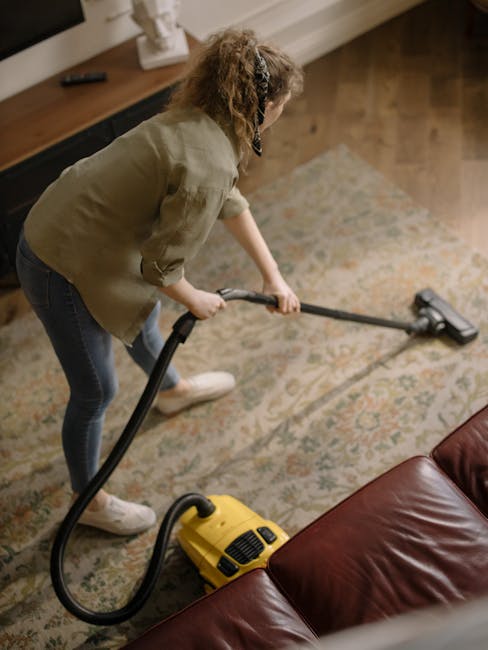
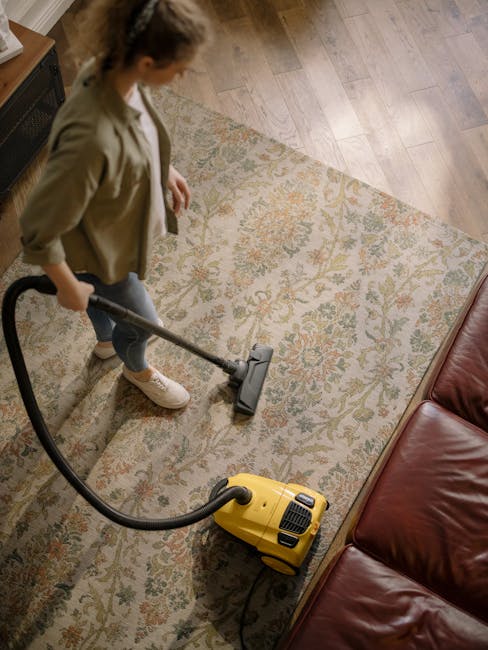
Carpet Cleaning Holland Park provides a focused domestic and commercial carpet care service for people who want floors cleaned with care, attention and a sensible approach to different fibres. We clean everyday traffic lanes, tackled-in marks and general dullness, while working with methods chosen to suit the carpet rather than forcing one routine on every room. The aim is straightforward: help restore a cleaner, fresher finish and support the condition of the pile, backing and surrounding furnishings.
Our service can cover single rooms, hallways, stair carpets, living areas and larger floorplans that need a more considered clean. We also work alongside related upholstery and rug care where those items form part of the same interior, allowing you to address several soft surfaces in a joined-up way. Good carpet cleaning is about more than appearance; it should leave the surface looking improved without leaving behind unnecessary residue or a heavy feel underfoot.
If you are comparing options, start by looking at the kind of clean your carpets actually need, then choose the service that matches the fibres, usage and access. You can request a quotation once you have a clear idea of the rooms involved. If you prefer to browse the main options first, read on or use the relevant service pages below.
Carpet cleaning methods and fabric care
Different carpets respond better to different cleaning approaches, so the work begins with identifying the material, construction and level of soiling. A loop-pile synthetic hallway carpet may need a different treatment from a cut-pile living room carpet or a more delicate rug. Choosing the right process matters because excess moisture, aggressive brushing or unsuitable chemistry can affect the appearance and drying behaviour of the fibres. We work with that in mind, aiming for a practical clean that fits the item rather than a one-size-fits-all routine.
In many properties the most useful outcome is a balanced clean that lifts everyday dirt, refreshes colour and improves the feel of the pile without overworking the fabric. Where there are isolated marks, treatment may focus on problem areas as well as the overall surface. That can be helpful for entries, sitting rooms and stairs, where wear often appears in specific paths. If you are deciding how far to go, it is often sensible to think in terms of rooms, usage and visible condition rather than simply square footage.
Useful factors when planning a carpet clean include:
- the fibre type and how it normally reacts to moisture
- the age and condition of the carpet, including prior wear or fading
- the presence of stains, spots, odours or heavy foot traffic
- access around furniture, staircases and tighter rooms
- whether nearby rugs or upholstery should be considered at the same time
What we clean in homes and shared interiors

Many customers want more than a quick once-over, especially where carpets have absorbed day-to-day use from family life, pets, visitors or regular footfall. Our work can be adapted to bedrooms, reception rooms, hallways and stairs, with careful attention to edges, corners and common contact points. Those areas often show the earliest signs of dullness, and a properly planned clean can make a notable difference to how the whole room presents, not just to the section that first catches the eye.
In shared or lightly commercial interiors, a carpet clean can support a more professional feel without disrupting the wider décor. Offices, treatment rooms and communal areas often need a practical result that looks tidy and feels comfortable underfoot. Where possible, we plan the sequence of work so the carpet can be cleaned methodically, with due care for walkways, door thresholds and furniture that may need to remain in place. Our office cleaning service is a useful reference if you are comparing floor care with broader premises cleaning.
For customers deciding what to include, it helps to separate the carpeted areas into priorities: heavily used spaces, rooms that only need maintenance, and any item with visible staining or a strong odour issue. That makes it easier to choose a sensible scope. If you are preparing for a quotation, a brief room list and a note about any problem patches will usually be enough to shape the discussion, and it also helps avoid unnecessary work.
Stain treatment, freshening and deeper maintenance
Not every carpet issue is the same. Some marks sit on the surface, while others have worked deeper into the fibres or have been left to settle over time. Stain treatment therefore needs a measured approach: the aim is to improve the affected area without spreading the mark, bleaching the pile or making the surrounding carpet look uneven. We also pay attention to general freshness, because trapped dust and everyday spills can dull the room even when no single stain stands out.
A deeper maintenance clean can be useful where the carpet has been in place for a while and the pile has begun to feel compacted or tired. That does not mean it needs harsh intervention. Often the best result comes from a careful clean that addresses built-up dirt, freshens the fibres and leaves the room easier to live with. If the carpet is part of a larger project, related items can be considered too; for example, a rug, staircase runner or soft furnishing may benefit from attention at the same time. Rug cleaning is a practical option when loose floor coverings need separate treatment.
For many customers, the decision comes down to whether the work should be routine upkeep or a more detailed refresh. A routine clean helps maintain appearance between heavier treatments. A deeper clean is more suitable where traffic lanes, old spills or noticeable dullness have built up. If you are unsure, it is sensible to request guidance on the likely scope before booking. Clear expectations produce a better result, especially where the carpet is older, lighter in colour or made from a more sensitive fibre.
Stairs, hallways and high-traffic carpeted areas
Stair carpets and hallways usually need special attention because they receive repeated use and often show wear faster than other rooms. The challenge is not just dirt removal; it is also preserving the appearance of the pile on areas that are regularly compressed by footsteps. Careful cleaning should work with the shape of the space, the direction of the fibres and any fitted edges, so the finished result looks even rather than patchy. That is particularly important on turns, landings and narrow entry spaces.
These areas can also gather more dust, grit and small debris than people realise. Over time, that material can settle into the carpet and contribute to a more tired look. A focused clean can reduce that build-up and improve the feeling of the staircase or corridor as a whole. Where access is tight, planning matters: moving items, clearing the route and identifying any delicate finishes nearby all help the work proceed in a calm, orderly way. If you also want the adjoining flooring handled, hard floor cleaning may be worth considering for entrances and transitional spaces.
It is often sensible to group these higher-wear areas together when requesting a quotation. Hallways, stairs and landings usually reveal how a carpet has been used more honestly than rooms with lighter traffic. A quotation that reflects the actual layout is easier to work with than a rough guess. You do not need to over-prepare; a simple note of the number of flights, the shape of the corridor and whether there are turning landings is usually enough to start.
Supporting a cleaner finish across the room
Carpet cleaning is often most effective when it is treated as part of the room’s overall condition rather than as an isolated task. Soft furnishings, rugs and nearby fabric items can all influence how fresh a room feels. When one surface is cleaned but another remains dull, the improvement can seem less complete than it might otherwise. For that reason, some customers choose to coordinate carpet care with sofa or upholstery work, especially in living spaces and family rooms where several surfaces age together.
The practical benefit of a coordinated approach is that it can reduce repeated disruption. Instead of arranging separate visits for every soft surface, the cleaning plan can be shaped around the rooms that matter most. That does not mean every item must be cleaned at once; it simply gives you a way to think about the order and priority of the work. Where upholstered seating is part of the same area, sofa cleaning can be a sensible companion service.
There are limits to what any carpet clean can achieve. Deep wear, colour loss, fibre distortion and longstanding staining may remain partly visible even after a thorough treatment. Honest expectations are important here. The value lies in removing what can reasonably be removed, improving the overall look and helping the carpet feel more presentable again. That is a practical result, not a promise of a brand-new surface, and it is the right way to think about fabric care.
Preparing for a quotation and the clean itself
When you request a quotation, the most useful information is usually simple: which rooms need attention, what kind of carpet you have if you know it, and whether there are any stains, odours or awkward access points. A brief description of the property layout is often enough. Photos can help in some cases, but they are not always necessary if the rooms are straightforward and the scope is clear. The point is to make the quote accurate without turning preparation into a chore.
Before the clean, it is also helpful to clear smaller items from the floor and think about whether larger furniture should stay put or be moved. Some carpets can be cleaned around fixed pieces, while others benefit from a more open working area. If you have a deadline such as an event, move-in or end-of-tenancy handover, mention that early so the work can be planned realistically. For broader property preparation, end of tenancy cleaning may be relevant when carpets are part of a wider exit clean.
Requesting a quotation is straightforward: identify the areas you want cleaned, note any problem spots and say whether you want a routine refresh or a more detailed treatment. That gives a strong basis for discussing the service and helps avoid misunderstanding later. If you are comparing several room combinations, a concise list is usually better than a long explanation. Keep it practical, and the estimate can be shaped around the work that actually needs doing.
Commercial carpet care and office environments
In office settings, carpets often need to balance appearance with everyday practicality. Reception zones, corridors and shared work areas tend to show a mixture of tracked-in dirt, chair movement marks and general wear. A planned cleaning approach can support a tidier impression for staff and visitors while also helping the carpet remain serviceable for longer. The emphasis is on careful work that respects the layout of the premises and the way the space is used.
Commercial carpet cleaning may also need to sit alongside other interior services. Offices can have upholstery, waiting-area seating and flooring that all contribute to the overall feel of the space. If you are arranging a broader premises clean, it makes sense to think about the sequence in which the work should happen and which areas are most visible. Office cleaners can be relevant where the site requires regular general cleaning as well as focused carpet treatment.
Where the space is used daily, the timing of the clean may matter as much as the cleaning method. Some organisations prefer to schedule work around quieter periods to reduce interruption. Others want a straightforward one-off refresh for a reception area or meeting room. In either case, the aim is to leave the carpets looking more presentable and easier to maintain, without making the process more complicated than it needs to be.
Related services for fabrics and interior surfaces

Some properties benefit from combining carpet cleaning with related fabric and surface care. Upholstery can hold dust, crumbs and everyday marks in much the same way carpets do, although the materials involved may be different. A sofa, armchair or ottoman in the same room can influence the overall look of the space, so a joined-up plan may be the most sensible option where the goal is a fuller refresh rather than a single-item clean.
There are also times when a property needs more than soft-surface care. In homes and workplaces alike, glass, floors and general dust management can all influence how fresh a room feels after the carpets have been cleaned. If you are working through a list of priorities, consider what supports the finish you want most. A cleaner carpet can make a room feel more ordered, but that effect is strongest when surrounding surfaces are also kept in good condition. Window cleaning may be useful where you are also updating the look of rooms with a lot of natural light.
For a direct enquiry, choose the main rooms, mention any stubborn marks and ask for a quotation that reflects the actual scope. If you want to compare related options first, keep reading the service pages and decide what best suits your property. The right combination is usually the one that matches the material, the wear level and the way you use the space day to day.
About Holland Park
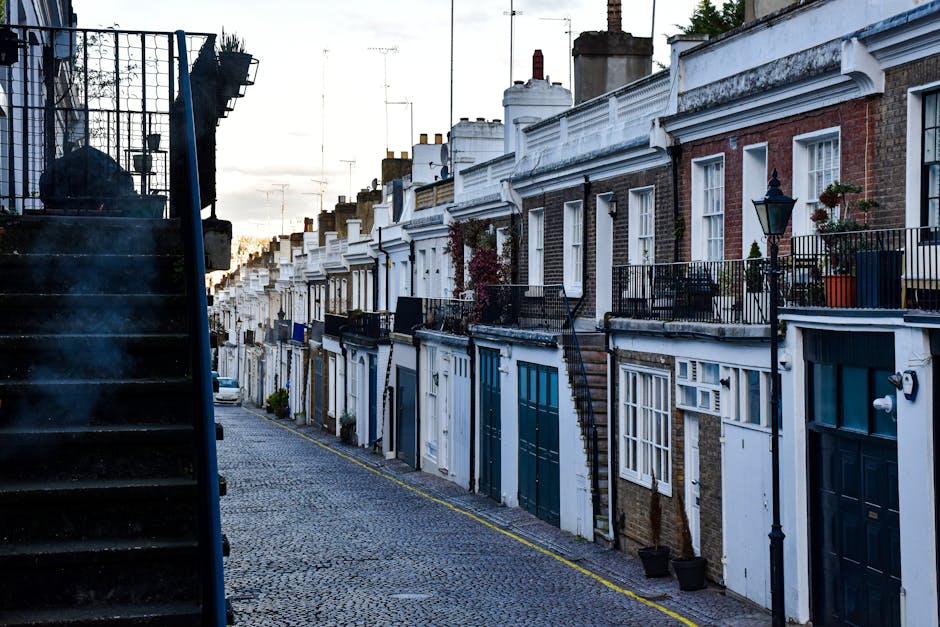
Holland Park is a district in west London that takes its name from the historic estate and the large park at its centre. The area sits across the boundary of the Royal Borough of Kensington and Chelsea and the London Borough of Hammersmith and Fulham, with residential streets, garden squares and prominent period terraces forming much of its character. The park itself, covering a substantial green space, is one of the neighbourhood’s defining features and includes formal gardens, wooded sections and open lawns. It is known for the Kyoto Garden, a landscaped Japanese-style garden created in 1991, as well as for seasonal planting and quieter paths that contrast with the surrounding city streets. The area also includes the site of Holland House, the surviving remains of a once-grand Jacobean mansion heavily damaged during the Second World War. Nearby, Kensington High Street, Notting Hill and Shepherd’s Bush each add their own commercial and cultural edges, while Holland Park station on the Central line links the district to the wider Underground network. The local street pattern includes elegant rows of late nineteenth- and early twentieth-century housing, with stucco-fronted villas, mansion blocks and mews lanes contributing to a recognisable residential identity. Arts and performance remain part of the area’s public life through the nearby opera and festival uses within the park, and the neighbourhood retains a calm, leafy atmosphere despite its central London position. Its mixture of green space, architectural heritage and convenient transport gives Holland Park a distinct place within the capital, shaped by both historic design and modern urban living.
Choosing the right carpet clean
The right approach depends on how the carpet is used, what it is made from and what sort of result you want. A lightly soiled bedroom carpet may only need a maintenance clean, while a hallway or living room with visible traffic marks may benefit from a more detailed treatment. Some customers want an item brought back into better everyday condition; others mainly want to remove a small number of marks and improve freshness. Both are valid aims, but they lead to different scopes of work.
It can also help to think about the role of each room before deciding. A formal room used occasionally may need a different level of attention from a family room or entrance hall that sees repeated use. If you are unsure how much work is appropriate, a short discussion about the carpet’s material, age and current condition usually provides enough direction. That keeps the request practical and avoids paying for work that does not match the actual need. Pricing and quotes can help when you want to compare the likely scope with your budget.
When you are ready, ask for the rooms you need covered and describe any special issues plainly. A clean quotation should reflect the real job rather than a vague assumption. If the property includes several different floor coverings or a mix of soft surfaces, note those too so the plan can be built around the complete space. A concise enquiry is usually the most effective one.